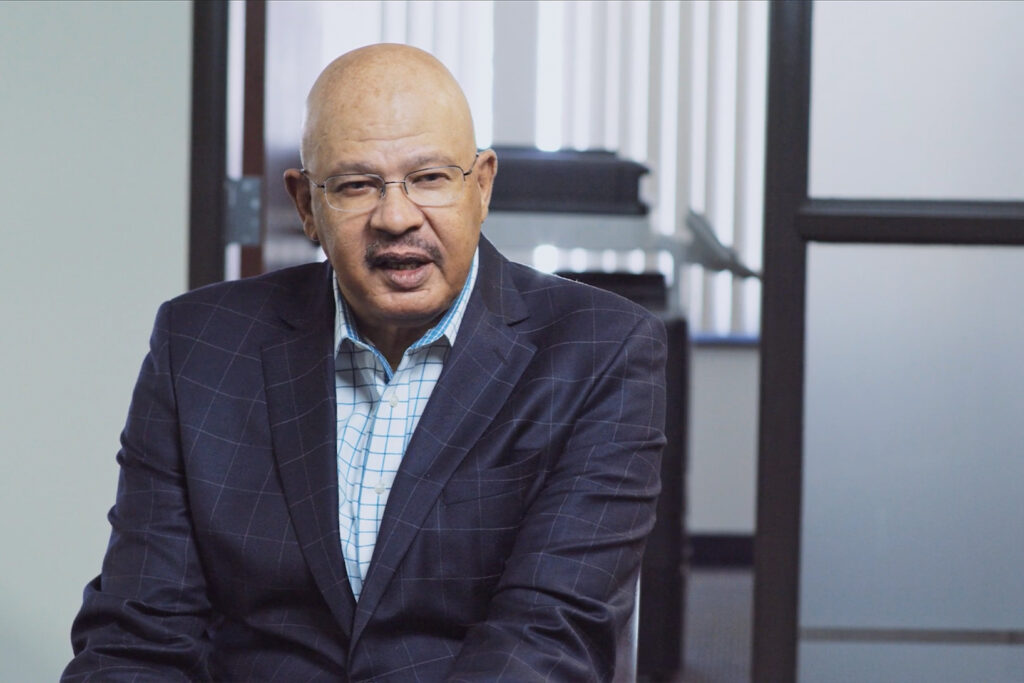
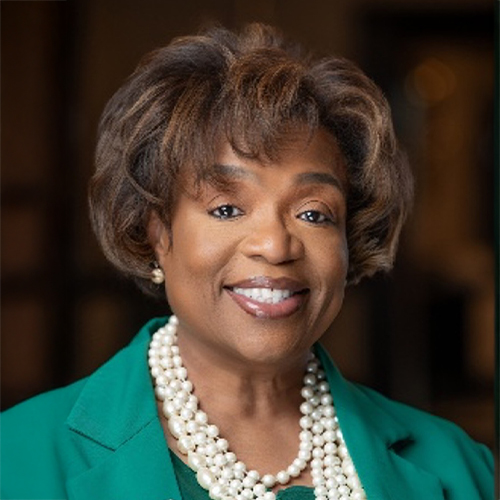
“I am eternally grateful for the program, my company has taken great strides to distinguish itself in the market, but it was the opportunities and connections gained through the program that have allowed us to enjoy such dramatic growth over the last two years”
“We had no business opportunities from the corporate partners, but did have promising business opportunities because of the collaboration with others in the program. We expect revenues to double over the coming year. Overall extremely positive on the benefits of the program.”
“Initially, I was hesitant to join the program. I had participated in other valuable ones and wasn’t sure what more I could gain. But this one truly reached me in ways the others did not; it was the best. This experience reshaped how I see my business, my role, and what accelerated growth truly requires.”
The National Business League (NBL), founded by Booker T. Washington in 1900, launched the National Buyer Supplier Program (NBSP) in 2020 to strengthen supplier readiness and expand pathways for business growth and scale. Rooted in innovation and grounded in Washington’s principle of economic self-determination, the program equips enterprises with the tools, training, and industry alignment needed to successfully compete in today’s marketplace.
Inspired by Dr. Booker T. Washington’s enduring belief that economic empowerment is the foundation of societal progress — and that “No man, who continues to add something of value to the material, intellectual and moral well-being of the place in which he lives, is left long without proper reward” — the National Buyer Supplier Development Program cultivates resilient, high-performing firms capable of driving competitive value across multiple sectors.
Innovation and technology are embedded in every aspect of the program. Through practical knowledge, strategic partnerships, and mechanisms for scalable growth, the NBSP prepares businesses to operate as indispensable contributors to modern industry supply chains and the broader economic landscape.
Possible Reason Why
Based on how many OEMs evaluate their supply base today, it can be said that gaps in supplier readiness are a major reason why some suppliers with seemingly competitive offerings don’t secure contracts.
SUPPLIER READINESS IS A TERM REFERENCING OPERATING AS A TIER ONE OR TIER TWO SUPPLIER – IT IS COMPETITIVELY DETERMINED BY A FIRM’S INNOVATIVENESS, VALUE CREATION FOR CUSTOMERS, ABILITY TO COHESIVELY INTEGRATE INTO CUSTOMER’S VALUE CHAIN, RISK MITIGATION CAPABILITIES, AND A MYRIAD OF OTHER FACTORS BEYOND SIMPLY HAVING A COMPETITIVE PRODUCT AT A COMPETITIVE PRICE.
Research conducted by McKinsey & Michigan State University, Gartner (a global research and advisory firm), Veridion & BCI, and several others support the conclusion that supplier readiness is a multidimensional benchmark—not just a transactional metric; and that deficiencies in supplier readiness are key reasons why suppliers with competitive products and pricing still fail to win contracts with OEMs.
Here are just a few aspects of supplier readiness addressed by NBSP:
Risk Mitigation Is Non-Negotiable
OEMs must manage operational, financial, geopolitical, and reputational risks.
Even if a supplier offers a cost-competitive product, lacking in supply chain resilience, cybersecurity protocols, or regulatory compliance can be disqualifying.
Innovation as Strategic Leverage
OEMs increasingly seek suppliers who offer innovation partnerships—proactively bringing new ideas, technologies, or process improvements to the table.
A supplier who can co-create value or enhance differentiation is often more attractive than one who simply meets specs at a low cost.
Value Creation and Lifecycle Contribution
OEMs consider Total Cost of Ownership (TCO), not just unit cost.
Suppliers who support long-term performance (e.g., through sustainability, service, or digital integration) are seen as more “ready” for strategic partnerships.
Operational Maturity
Readiness includes governance, quality assurance systems, certifications (e.g., ISO, IATF), and responsiveness.
Without these, even a strong product might not meet onboarding or scaling requirements.
Social and Environmental Alignment
ESG expectations are becoming mainstream in supplier evaluations.
OEMs may pass on otherwise qualified suppliers who do not align with their sustainability or DEI goals.
Vision
We at the National Business League envision a world defined by economic empowerment and fairness. A world where every business owner has the opportunity to prosper, compete, and contribute meaningfully to the economic and social well-being of their communities and society at large.
Mission
The NBSP believes that stronger supply chains and competitive economies emerge when innovative, high-performing, and risk-mitigating suppliers are evaluated solely on their operational excellence and ability to create value. Its mission is to expand economic opportunity by developing suppliers with these characteristics and strengthening their capacity to compete, grow, and contribute to broader economic prosperity.
The Program’s Core Values Are:
Self-Reliance Through Skills: Reflecting Dr. Washington’s emphasis on vocational mastery and disciplined enterprise development, the program delivers rigorous technical assistance, mentorship, and training designed to help suppliers not only participate in the marketplace but excel within it.
Build Where You Stand: In keeping with Dr. Washington’s focus on local economic development, the program supports the growth of regional supplier capacity—encouraging businesses to strengthen their base, scale strategically, and reinvest in their surrounding economic ecosystems.
Partnership with Purpose: The program cultivates intentional, performance-driven relationships between corporations and emerging suppliers—and among suppliers themselves—rooted in mutual value creation, operational alignment, and long-term sustainability.
Objectives
The primary objectives of the NBSP are to:
Develop a pipeline of highly innovative, competitive suppliers that align with Fortune 500 purchasing priorities, operational requirements, and performance standards.
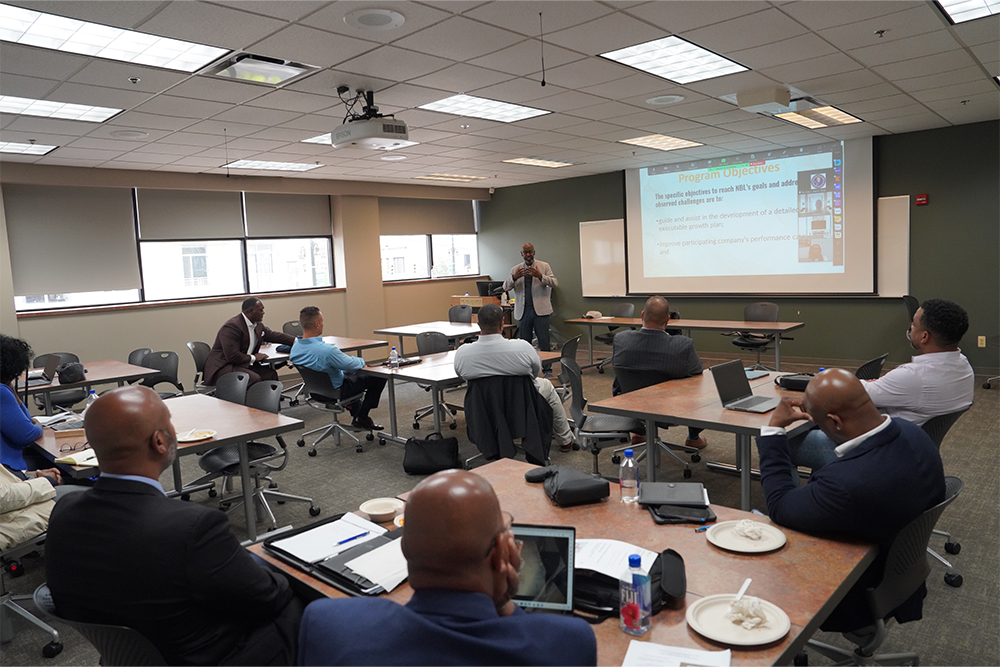
Strengthen the ability of participating companies to unlock untapped innovation capacity, enhance competitive advantages, and drive meaningful operational and market impact.
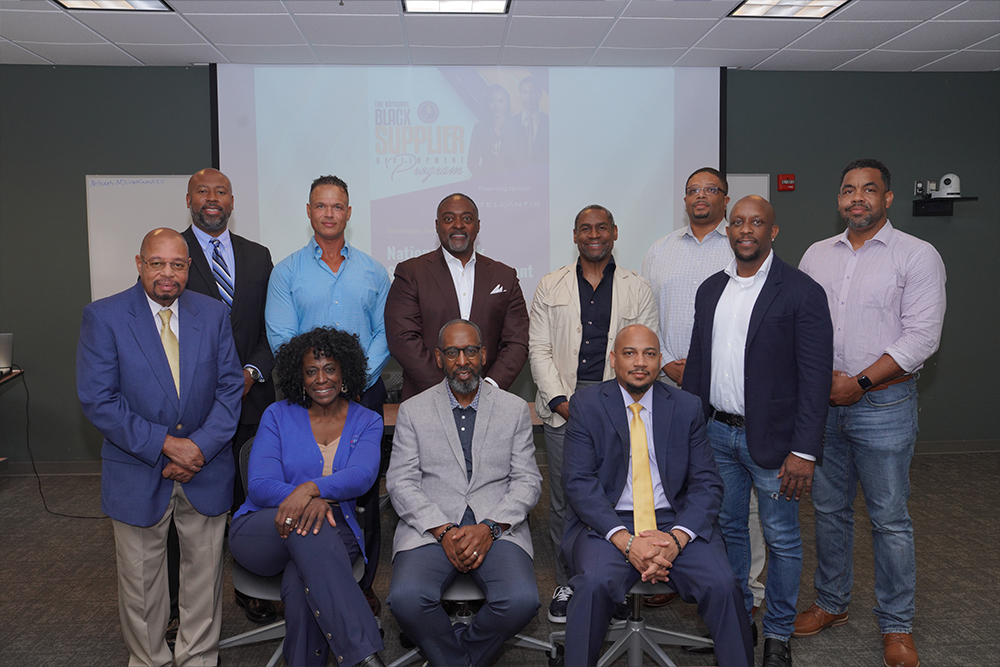
Build a cohesive network of suppliers who collaborate, support each other’s growth, and pursue business opportunities collectively with major corporate partners.
Leadership
Dr. Forrest S. Carter, Ph.D.
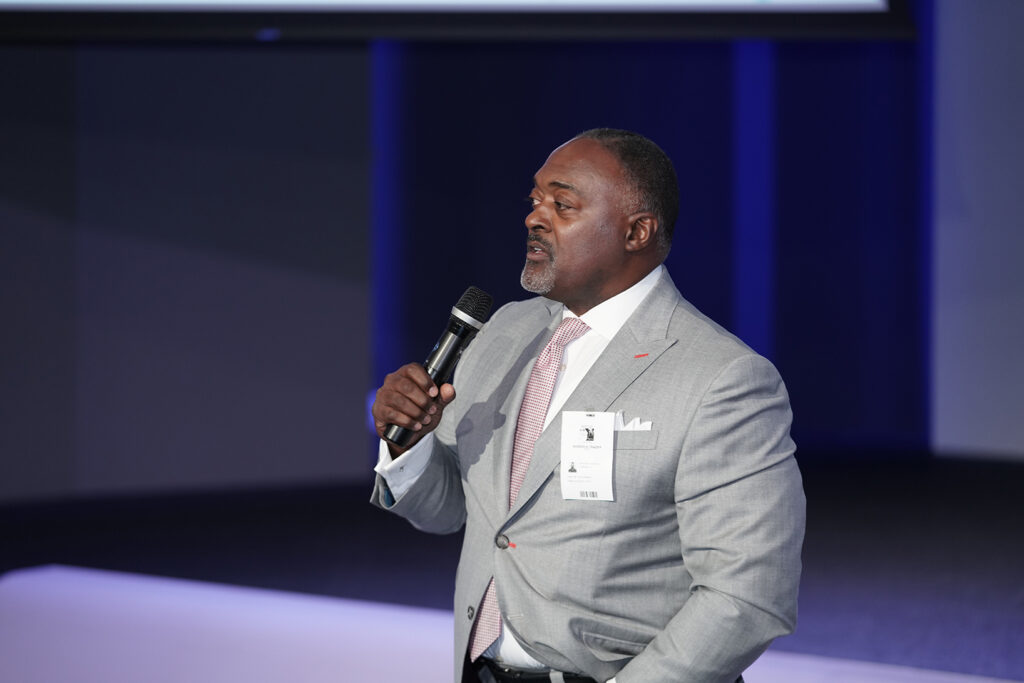
The curriculum and program activities were created and are currently managed by Dr. Forrest S. Carter, Ph.D., the program’s National Director. Dr. Carter was an Associate Professor of Marketing and the first Professor of Entrepreneurship Emeritus from Michigan State University. In addition to the NBSP, Dr. Carter played a role in the curriculum development of the Apple-Spartan Growth Academy at Michigan State University. Over the last forty years, Dr. Carter has devoted himself to teaching, inspiring, and assisting job creators and community builders across the country, along with consulting with numerous Fortune 500 companies, as well as minority and women’s small businesses.
What to Expect
This is not a leadership or management training program. Most graduates had already completed one or more distinguished programs such as Goldman Sachs 10,000 Small Businesses, Dartmouth College’s Tuck Diversity Business, Northwestern’s ASCEND Program, National Minority Supplier Development Council (NMSDC) – Advanced Management Education Program (AMEP), McKinsey & Company – Black Leadership Academy, and others. The program focuses on eliminating the supplier readiness gap and helping participating businesses greatly enhance their chances of operating as a tier one or tier two supplier. For those participating businesses already operating as a tier one or tier two supplier, the program greatly enhances their chances of becoming a preferred strategic partner.
Despite the market success of its alumni, or perhaps because of it, the program must emphasize that it cannot promise any contracts or preferential treatment by its corporate partners.
The program does commit and has historical evidence of providing the following.
An improvement in supplier readiness;
An executable growth plan that details the steps enabling the business:
to experience structural growth; and
to scale
Assistance in integrating AI tools into their business’s operation that supports their growth plan and scaling strategy.
BRIDGE THE SUCCESS GAP
Supplier readiness, as defined earlier, is often a decisive filter. In many industries, it’s the threshold for even getting considered, let alone awarded, a contract. Even when awarded a contract, proven readiness is the bridge between being a “qualified vendor” and a “preferred strategic partner.” A recent study reported that 37.3% of companies screened their Tier 1 suppliers with respect to readiness gaps. The NBSP is designed to facilitate underserved companies to close their readiness gaps.
Supportive Community
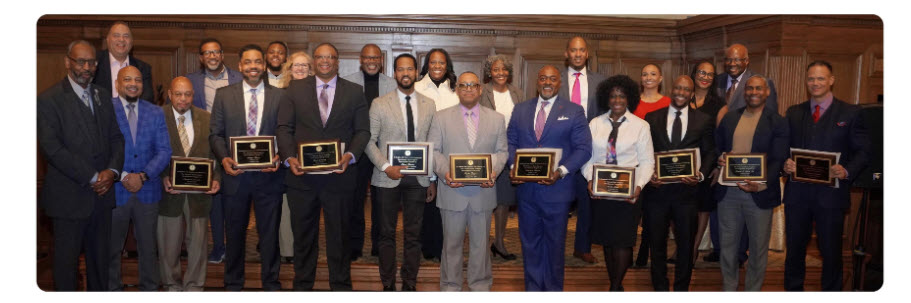
Program graduates move on from the formal coursework of the program, but they never move on from the NBSP family. A mutually supportive network of program alumni that constitutes NBL’s pipeline of businesses that have been vetted to be supplier-ready, and are continually promoted to corporate partners and other Fortune 500 companies.